L/C Concrete Services In Lower Hutt, Wellington.

Concrete Sealing Lower Hutt & Upper Hutt

Concrete Sealing Quote!
Project Area: Which areas need concrete sealing?
Existing Concrete: What type of surface needs sealing?
Previous Treatment: Has the concrete been sealed or coated before?
Project Range (Optional): This helps us understand the price range you're working within, so we can recommend the right approach
Timeline: When are you hoping to start your project?
Your Preferred Contact Method:

Concrete Sealing Specialist Serving Lower Hutt & Upper Hutt, Wellington

Lower & Upper Hutt Concrete Services helps homeowners and property owners connect with our specialist concrete sealing contractor across Lower Hutt, Upper Hutt, and Wellington. Projects can include sealing suitable outdoor concrete and shed or garage floors, or assessing previously sealed surfaces for maintenance and resealing.


Stained concrete, patchy finishes, and worn surface protection can leave otherwise useful spaces looking tired. Understanding the surface condition, previous treatments, and available sealing options helps you plan an appropriate approach without assuming a new sealer will hide existing damage or marks.


Where sealing forms part of a wider project, related services include concrete driveways, concrete paths, concrete patios and porches, concrete steps, and shed and garage concrete slabs. Discuss sealing alongside new concrete with your placing contractor. For other floor treatments, consider concrete grinding and polishing (including grinding and sealing) or epoxy coating.


Plain, broom, swirl, and stamped finishes, alongside decorative surfaces such as Exposed Aggregate Concrete and Coloured Concrete, need sealing advice suited to their finish. Our specialist can discuss surface protection, colour enhancement, and preferred sheen, with the achievable appearance depending on the concrete, existing treatment, and suitable sealer.


Our concrete sealing services section covers driveways, paths, steps, patios, porches, and shed and garage floors. The right preparation and treatment depend on the surface condition, existing sealer, moisture, traffic, weather exposure, and grip needed.


The quote process starts with your enquiry. We review your surface details and photos, check whether the concrete has been sealed before, and arrange a site visit with our professional concrete sealing contractor. After the assessment, you can review your specialist quote and decide whether to proceed.


Our helpful guides cover concrete sealing costs and prices, council regulations, and which concrete surfaces should be sealed. The FAQ section answers common questions about surface suitability, existing sealers, council approval, pricing, and caring for sealed concrete.


We are available from 7.00 a.m. to 5.30 p.m. Monday to Friday, and 7.00 a.m. to 3.00 p.m. on Saturdays. We’ll contact you within 24 hours. Fill out our CONTACT FORM or call 04 242 0311 for your FREE QUOTE!
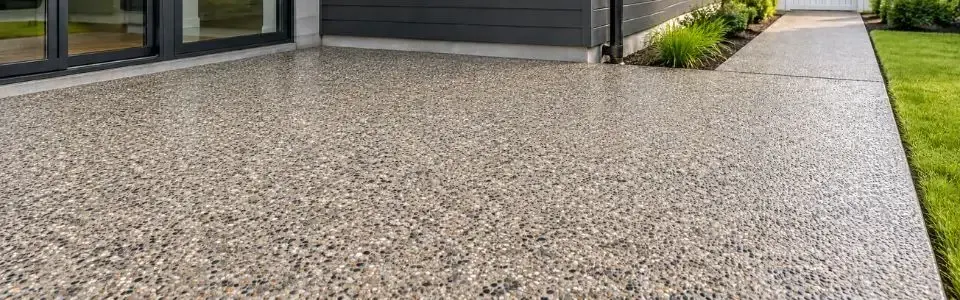
Sealed exposed aggregate concrete patio and connecting path beside a house with a white garden gate.

Hutt Valley Concrete Sealing Services

Explore concrete sealing for driveways, paths, steps, patios, porches, and shed or garage floors, with options based on existing treatments, surface condition, appearance, and everyday use.

Concrete Driveway Sealing

Driveway Sealing can help manage everyday staining and surface maintenance, with the right treatment chosen based on the concrete finish, existing sealer, and regular vehicle use.
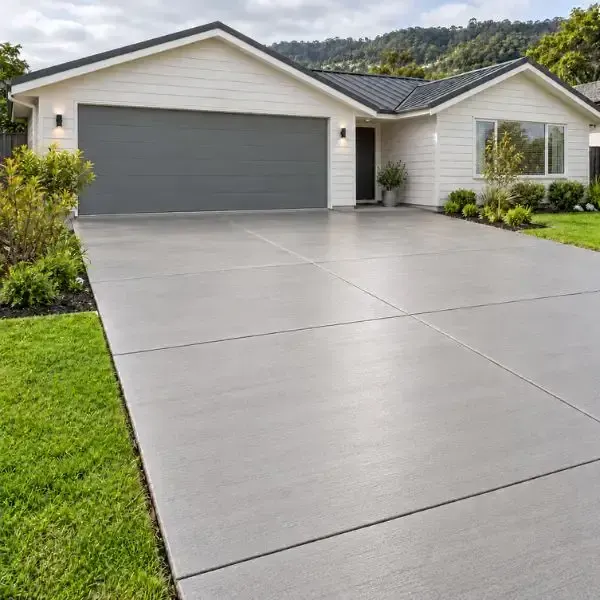

  • Best suited to: sound plain, broom, swirl, exposed aggregate, coloured, or stamped driveways needing surface protection and easier ongoing maintenance.


  • Things to consider: oil contamination, tyre tracks, previous coatings, sloping parking areas, wet-weather grip, and required waiting times before vehicles can return.
A sealed grey concrete driveway leads to a double garage beside a white weatherboard house.

Concrete Path Sealing

Path Sealing can make outdoor routes easier to maintain, depending on the surrounding garden, shaded areas, and the condition of existing surface treatments.
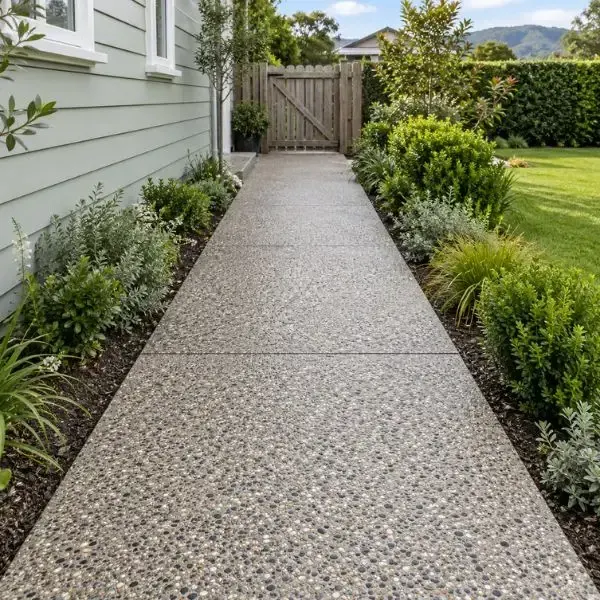

  • Best suited to: front entrance paths, side passages, and garden connections where dirt, leaf litter, and regular foot traffic create ongoing cleaning needs.


  • Things to consider: moss or algae removal, nearby soil and planting, persistent dampness, runoff, surface texture, and maintaining suitable grip throughout the route.
A sealed exposed aggregate concrete path beside a weatherboard house, bordered by gardens and leading to a timber gate.

Concrete Patio & Porch Sealing

Patio & Porch Sealing supports easier spill clean-up and a refreshed appearance, with finish choices balanced for outdoor living, entrance use, and the surrounding concrete.
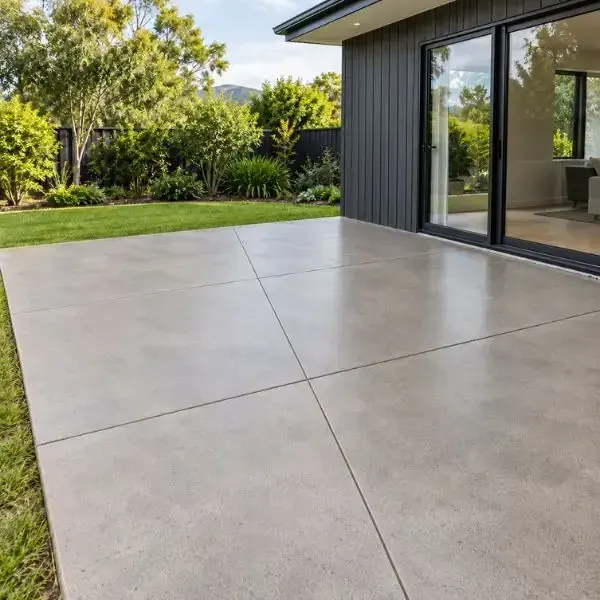

  • Best suited to: dining patios, sheltered porches, and decorative outdoor areas where food spills, plant pots, and regular use affect surface care and presentation.


  • Things to consider: BBQ grease, furniture marks, existing stains, sun exposure, preferred sheen, wet or barefoot use, and when you can return outdoor furniture.
Sealed concrete patio beside sliding glass doors, with a subtle sheen, surrounded by lawn and garden.

Concrete Steps Sealing

Steps Sealing protects suitable treads and landings while retaining their existing finish, with particular attention to surface grip and exposed edges.
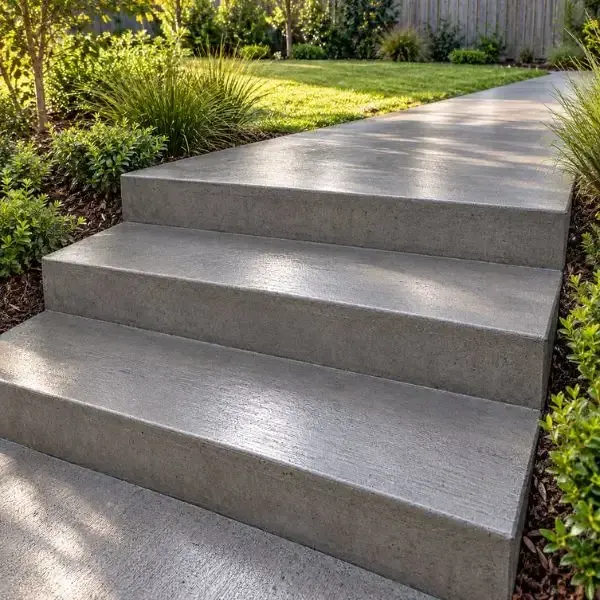

  • Best suited to: sound entrance steps, garden stairs, and outdoor landings where you want easier surface care without changing the existing step layout.


  • Things to consider: chipped edges, worn treads, previous sealers, water collecting on landings, grip when wet, and alternative access while the treated steps cure.
Sealed concrete garden steps with a light sheen leading to an upper path between planted borders.

Shed & Garage Concrete Floor Sealing

Shed & Garage Floor Sealing makes cleaning easier while keeping concrete visible, with preparation and treatment suited to parking, storage, or light workshop use.
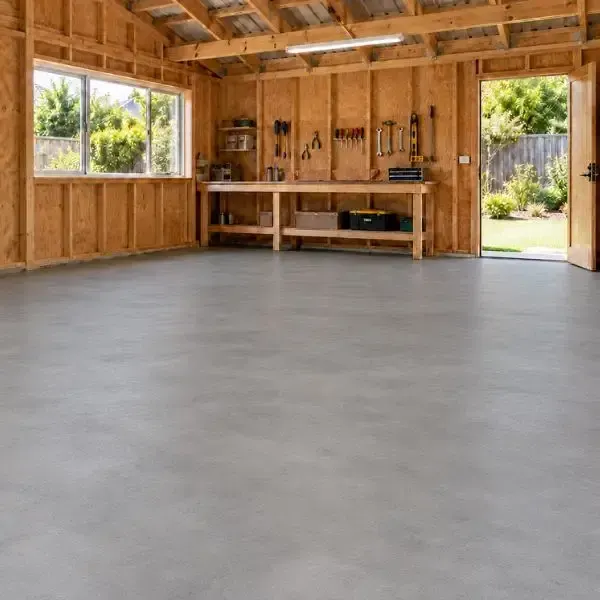

  • Best suited to: shed slabs, domestic garages, and hobby spaces where owners want a practical sealed finish that retains the character of concrete.


  • Things to consider: absorbed vehicle fluids, slab moisture, existing treatments, tyre traffic, equipment movement, and planned flooring affecting sealer choice.
Sealed concrete floor with a matte finish inside a backyard workshop with timber walls and a workbench.

Plan Your Concrete Sealing Budget

Concrete Sealing Cost Calculator estimates concrete sealing costs using your surface area. Our specialist assesses the concrete, existing sealer, and preparation needs before preparing your concrete sealing quote.
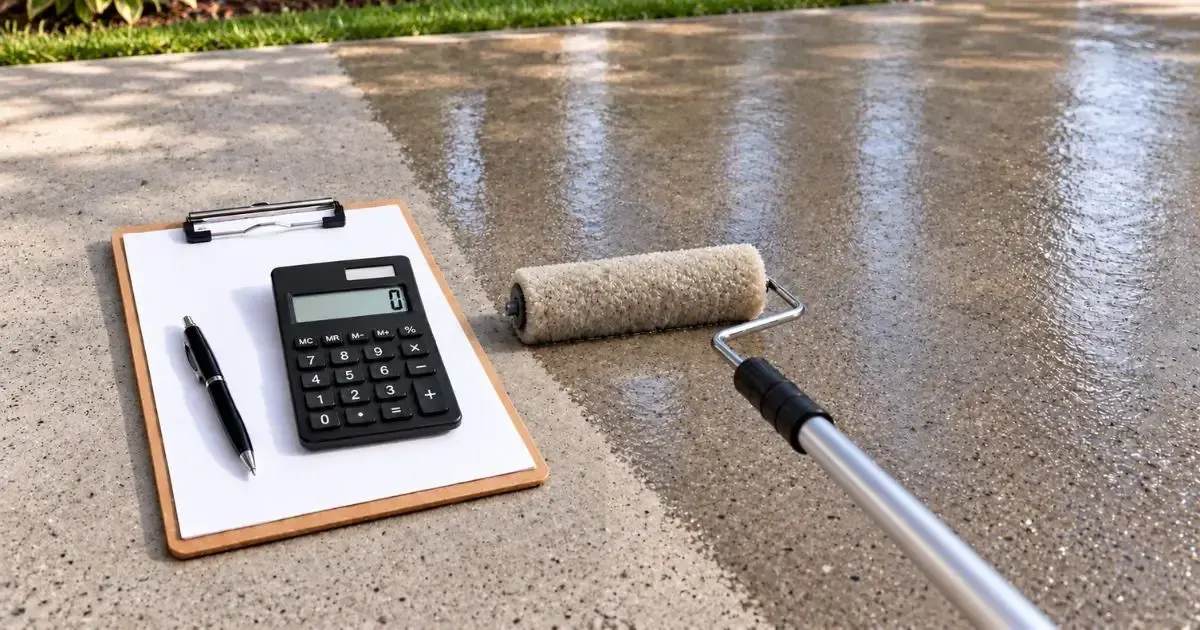
A calculator and clipboard beside a roller sealing a residential concrete driveway, representing the cost of sealing.

Your Concrete Sealing Quote Process

We review your surface details, previous treatments, and preferred finish, then arrange a site visit with our concrete sealing specialist. Review your quote and decide whether to proceed.

Get In Touch

Call Us
Send Form

Share Details

We Organise

Quick Reply

Details Reviewed

Specialist Notified

Review Your Quote

Site Visit
Sealing Quote
Decide To Proceed

Concrete Sealing Planning Guides

Explore concrete sealing guides on costs, council requirements, and which surfaces suit sealing. Use them to plan the work and review your specialist quote.

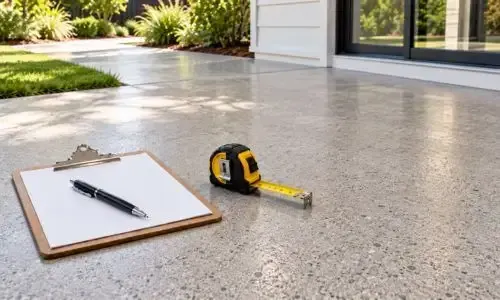
Clipboard, pen, and tape measure on a sealed concrete patio, representing the cost of concrete sealing.
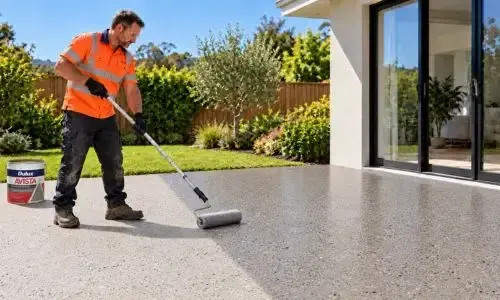
A contractor rolls sealer onto a concrete patio, illustrating guidance on council regulations for concrete sealing.
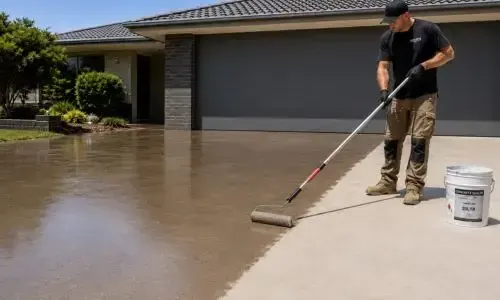
A contractor is sealing a concrete driveway with a roller, illustrating which concrete surfaces should be sealed.

Concrete Sealing FAQs

Epoxy Coating FAQs

Choosing a concrete sealing treatment involves questions about surface suitability, existing sealers, council requirements, pricing, and ongoing care. These answers explain what to consider before sealing outdoor concrete or suitable shed and garage floors, helping you prepare for a specialist assessment.

Concrete sealing suitability depends on the surface condition, previous treatments, moisture, and everyday use. Suitable new or existing concrete can often be sealed, but preparation and sealer selection should reflect the surface and its surroundings.


  • Concrete condition: The surface should be sound and appropriately prepared. Sealing will not correct structural cracking, drainage problems, or underlying movement, and existing stains or patches may remain visible.
  • Previous sealers: Check existing treatments for compatibility, wear, and adhesion. Applying another coat over peeling, whitening, or deteriorating sealer may require additional preparation or removal first.
  • Concrete finishes: Plain, broom, swirl, exposed aggregate, coloured, and stamped concrete can be sealed. The selected treatment can affect colour depth, sheen, texture, and the finished appearance.
  • Moisture and weather: New concrete must meet the selected sealer’s curing and moisture requirements. Rain, shade, temperature, and drying conditions also affect when sealer can be applied outdoors.
  • Use and surface grip: Driveways, paths, steps, patios, and shed or garage floors face different conditions. Vehicle traffic, spills, slopes, and wet-weather use help guide the appropriate sealing approach.

Our specialist inspects the concrete, discusses your preferred appearance, and explains the preparation needed and any limits on the finish before recommending a treatment and preparing your quote.


For guidance on different concrete finishes, protection options, and when sealing may be worthwhile, read What Concrete Surfaces Should Be Sealed?

Council approval for concrete sealing depends on the proposed work and any associated alterations. Maintenance of an existing surface may qualify for a building-consent exemption, but sealing is not automatically exempt in every situation.


  • Maintenance work: Maintaining an existing surface may qualify for an exemption if it meets the requirements. No blanket exemption separately names and covers every concrete sealing project.
  • First-time or changed treatments: Sealing previously untreated concrete or changing the protection system needs consideration of the proposed work. Do not assume every application falls within routine maintenance.
  • Associated alterations: Changes to drainage, surface levels, steps, or nearby structures need separate assessment. A sealing treatment does not establish whether the wider project meets applicable requirements.
  • Walking surfaces: Paths, steps, and entrances may need particular attention to wet-surface grip. The completed sealing system should suit the route and its normal use conditions.
  • Preparation controls: Manage cleaning runoff, sealer residues, and waste appropriately. Water blasting or other noisy preparation should also account for local noise guidance and neighbouring properties.

Check any uncertainty about the full project scope with the relevant council before work begins. Even if building work is exempt from consent, you still need to meet applicable Building Code requirements.


For local information on consent considerations, surface grip, runoff, and preparation noise, explore Concrete Sealing Council Regulations.

Concrete sealing pricing reflects the area, surface condition, preparation, and access. Our guide allowance covers two coats of solvent-based acrylic sealer, with surface cleaning, water blasting, and other required preparation priced separately.


  • Area and minimum charge: A $2,500 minimum job charge (excluding GST) applies. Smaller areas can therefore have a higher effective square metre cost than the standard guide rates suggest.
  • Cleaning and preparation: Dirt, oil, moss, algae, and previous treatments can affect the work needed before sealing. Any additional preparation should be identified and allowed for in your quote.
  • Finish and treatment: Suitable plain, exposed aggregate, coloured, and stamped concrete share the same guide range. Different surface conditions may still change preparation needs and the achievable sealed appearance.
  • Access and layout: Steps, edges, narrow passages, separate areas, and restricted access can affect application time. Moving stored items or staging the work may also affect the scope.
  • Larger-area pricing: Projects over 100 m² may qualify for a lower square metre rate after assessment. Our specialist assesses potential savings individually, with no automatic discount included in the calculator estimates.

Our specialist should confirm the measured area, preparation, sealing allowance, access requirements, exclusions, and GST treatment so you understand the complete project price before deciding to proceed.


For indicative rates, area-based examples, minimum charges, and preparation allowances, see Concrete Sealing Cost & Prices.

Sealed concrete maintenance depends on the treatment, exposure, traffic, and surface condition. Regular cleaning helps maintain the finish, while resealing should follow the product guidance and actual wear, not a fixed timetable.


  • Routine cleaning: Sweep away grit, leaves, and garden debris, and use sealer-appropriate cleaning products. Check the recommended method before using strong chemicals or pressure washing.
  • Spills and surface wear: Address oil, vehicle fluids, food, and drink spills promptly. Avoid dragging furniture or equipment across the surface, and follow curing instructions before returning vehicles or stored items.
  • Visible changes: Worn traffic areas, patchiness, flaking, or whitening can indicate that a surface coating needs inspection. These signs do not necessarily mean you can apply another coat immediately.
  • Protection performance: Increased absorption or staining may suggest reduced protection. Penetrating treatments can show little visible film, so appearance alone is not a reliable guide to their condition.
  • Resealing preparation: Check the existing treatment, cleanliness, moisture, and compatibility before recoating. Repeatedly adding sealer without assessing the surface can lead to excessive build-up or an uneven finish.

Ask our specialist for care guidance suited to your sealed surface, including cleaning methods, return-to-use times, and the changes that should prompt an assessment before further treatment.


For more detail on wear, exposure, and recognising when protection needs attention, read How Often Does Concrete Need Resealing?

Concrete Sealing Near You In Lower Hutt & Upper Hutt!

Epoxy Coating Near You In Lower & Upper Hutt!

Looking for concrete sealing near me in the Hutt Valley? If you need concrete driveway sealing near me, we’ll connect you with our concrete sealing contractor to discuss preparation and resealing options.


Ready to protect your concrete with a suitable sealing treatment? Call 04 242 0311 or fill out our CONTACT FORM for your FREE QUOTE! Discover sealing options for your surface, condition, and everyday use.

Lower & Upper Hutt Concrete Services Logo - Concrete Sealing Near Me Section.

Business Hours & Contact

Mon - Fri

7:00 am - 5:30 pm

Saturday

7:00 am - 3:00 pm

Sunday

Closed

Social Media Accounts

Lower & Upper Hutt Concrete Services Logo - Footer Section.

CLM Connect Limited Owned

Lower & Upper Hutt Concrete Services is a local service marketing and coordination channel managed by CLM Connect Limited.


Physical concrete work is completed by independent concrete contractors or service providers.

© 2026 Lower & Upper Hutt Concrete Services | All Rights Reserved