Quick answer: MPa stands for megapascals and is used to describe the compressive strength of hardened concrete. In simple terms, it helps explain how strong the concrete mix is designed to be once cured.
Lower & Upper Hutt Concrete Services shares concrete strength information for property owners across Lower Hutt, Upper Hutt, and Wellington. Learn what MPa ratings, load use, concrete strength, and mix selection mean before planning.
MPa is a strength rating used for concrete. It helps describe how much pressure hardened concrete is designed to handle for the intended use of the area.
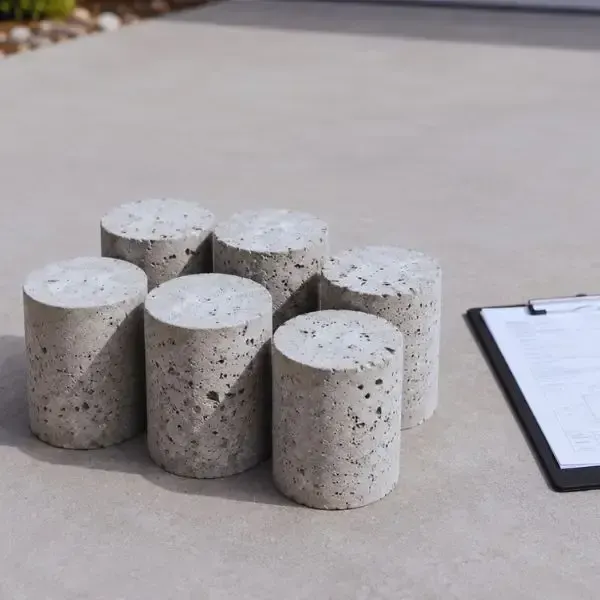
Concrete strength can vary depending on the project. This table provides a simple guide to common MPa ratings to help you choose a mix for your concrete area.
| Concrete Strength | General Use Guide |
|---|---|
| 20 MPa | Paths, small pads, and some light-duty residential driveways, where suitable for the design and exposure conditions. |
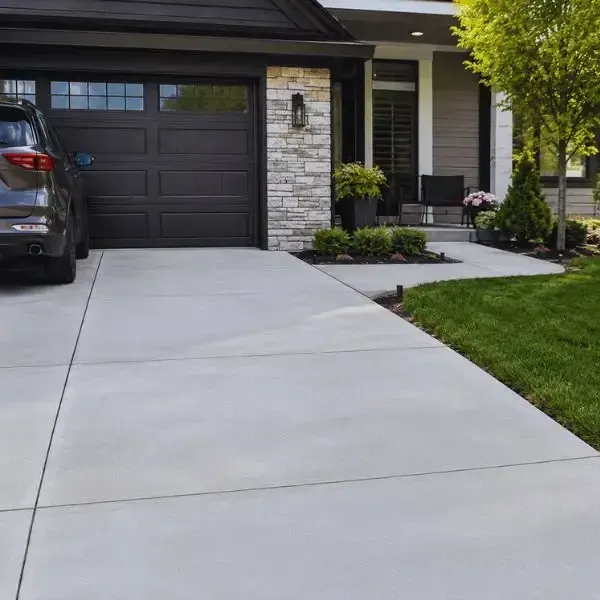
| 25 MPa | Common for many residential driveways, paths, patios, porches, shed slabs, garage slabs, and general outdoor concrete |
| 30 MPa | Often used where greater strength is needed, such as heavier vehicle areas, garage slabs, commercial areas, or more demanding concrete work. |
| 35 MPa and above | More specialised, structural, commercial, or engineered situations where a higher-strength mix is specified. |
These examples are a general guide only. The correct MPa rating depends on the project, load type, slab design, site preparation, ground conditions, and the requirements of the contractor or engineer.
Load type is one of the main reasons concrete strength matters. The heavier the use, the more carefully the mix should be matched to the area.

For project-specific information, view our pages on Concrete Driveways, Concrete Paths, Concrete Patios & Porches, Concrete Steps, and Shed & Garage Concrete Slabs.
Higher MPa can indicate a stronger concrete mix, but it does not automatically mean the entire concrete job is better without the right support underneath.
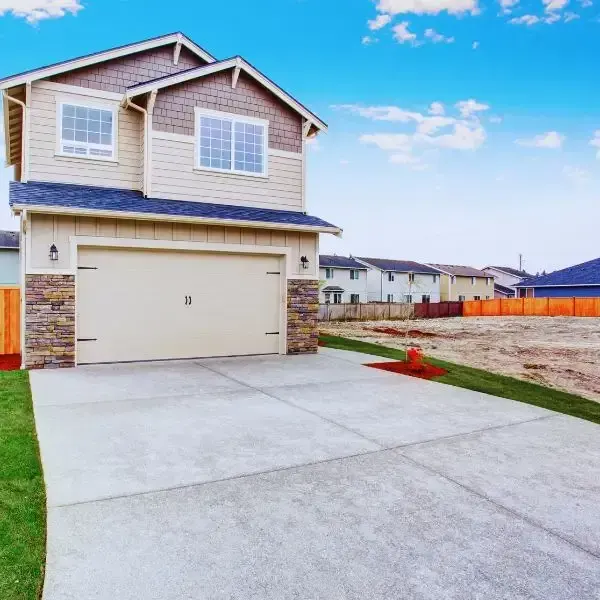
MPa indicates the concrete’s compressive strength, but slab thickness, reinforcement, and the supporting base also need to suit the project so the finished concrete can perform as intended.
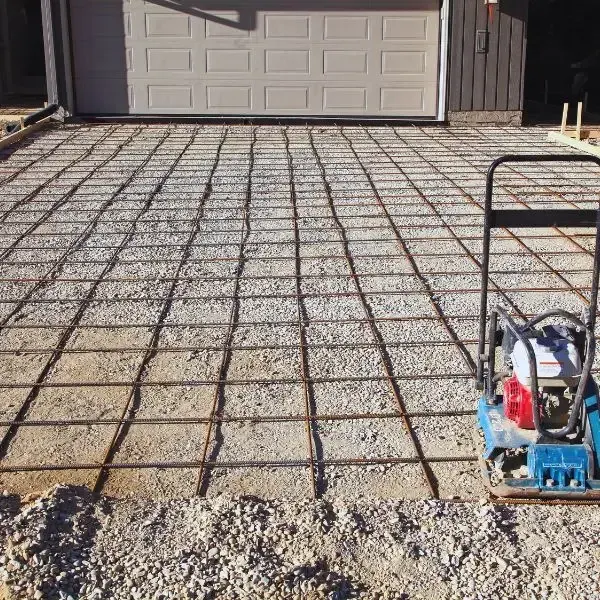
For more information about excavation, basecourse, compaction, and preparation, read our guide on Concrete Preparation & Basecourse.
Concrete gains strength over time. The MPa rating should be understood in the context of proper curing, timing, and protection after the pour, before the area is used.
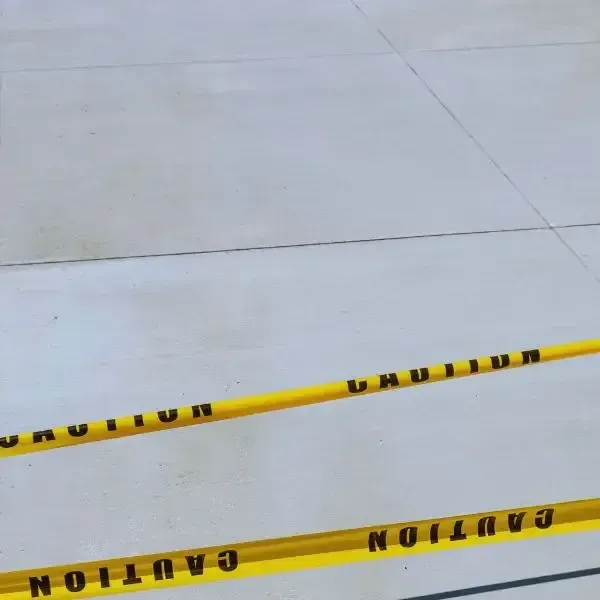
For more details on walking, driving, sealing, building, and loading times, read our guide to Concrete Curing & Drying Times.
Concrete quotes may include the MPa rating as part of the concrete supply or slab specification. It is one detail worth checking before comparing prices.

For more help comparing pricing and quote details, view our guide on Concrete Cost & Prices Per M2.
Concrete strength should be considered in relation to the actual site. Local ground, weather, and drainage conditions can affect planning.

For more local planning context, view our guide on Concrete Work In The Hutt Valley.
Good questions can make it easier to understand what is included in a concrete quote and whether the strength is suited to the job before comparing prices or booking work.

Ready to choose the right concrete strength for your project? MPa is a useful starting point, but the right concrete mix depends on the area, intended use, load type, slab thickness, preparation, access, site conditions, and what is confirmed during a site visit.
To take the next step, call 04 242 0311 or fill out our CONTACT FORM for your FREE QUOTES!
Business Hours & Contact
Mon - Fri
7:00 am - 5:30 pm
Saturday
7:00 am - 3:00 pm
Sunday
Closed
Social Media Accounts
CLM Connect Limited Owned
Lower & Upper Hutt Concrete Services is a local service marketing and coordination channel managed by CLM Connect Limited.
Physical concrete work is completed by independent concrete contractors or service providers.
© 2026 Lower & Upper Hutt Concrete Services | All Rights Reserved