Quick answer: Many concrete surfaces can benefit from sealing, but the right protection depends on the finish, condition and use. Different surfaces require different approaches to sealing or protection.
Lower & Upper Hutt Concrete Services explains concrete sealing and surface protection across Lower Hutt, Upper Hutt, and Wellington. The right approach depends on the surface finish, condition, moisture, exposure, traffic, appearance, and slip requirements.
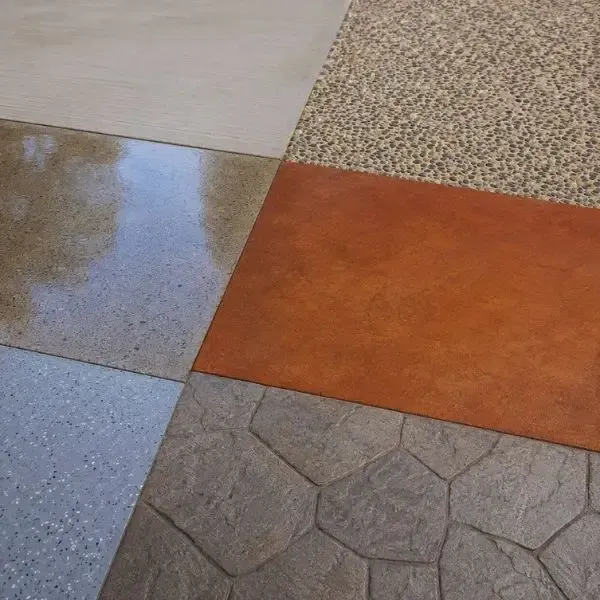
Different concrete finishes can require very different protection systems. This quick guide shows the main differences before the sections below explain each surface in more detail.
| Concrete Surface | Common Approach | Why It May Help | Main Consideration |
|---|---|---|---|
| Plain, Broom & Swirl | Penetrating or surface protection depending on the goal | Reduce absorption, staining and cleaning difficulty | Appearance and wet-surface traction |
| Exposed Aggregate | Penetrating or decorative surface sealer | Protect the exposed surface and improve cleanability | Stone colour, sheen and wet grip can change |
| Coloured Concrete | Compatible penetrating or surface sealer | Help with staining and decorative appearance | Colour depth, sheen and weathering |
| Stamped Concrete | Decorative surface sealer is commonly considered | Protect decorative colour and textured finish | Coating build-up and slip resistance |
| Ground & Polished Floors | Densifier, guard, grind-and-seal or another floor-protection system | Hardening, stain resistance and easier maintenance | Not every polished floor uses a conventional topical sealer |
| Epoxy-Coated Floors | Epoxy already provides protection, with compatible topcoats where required | Additional wear, UV, chemical or texture performance | Compatibility and preparation |
Plain, broom and swirl-finished concrete can be left unsealed in some situations, but sealing may be useful where the surface regularly faces water, dirt, staining, traffic or changing weather.
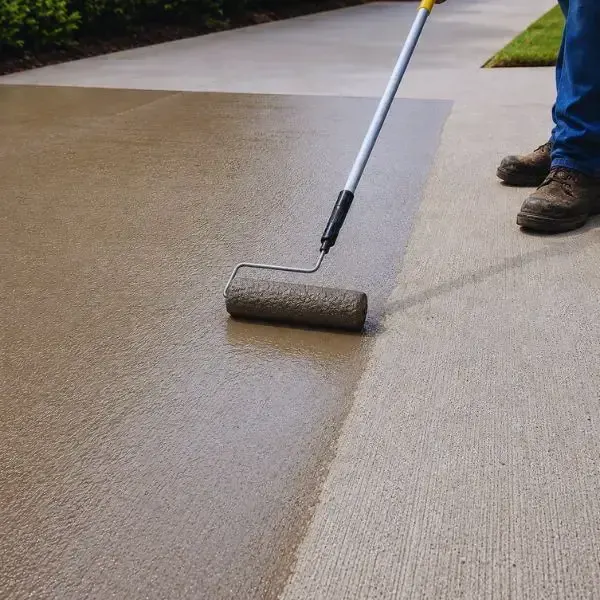
Exposed aggregate concrete can benefit from sealing because its surface combines decorative stone with the cement matrix, creating both protective and aesthetic considerations.
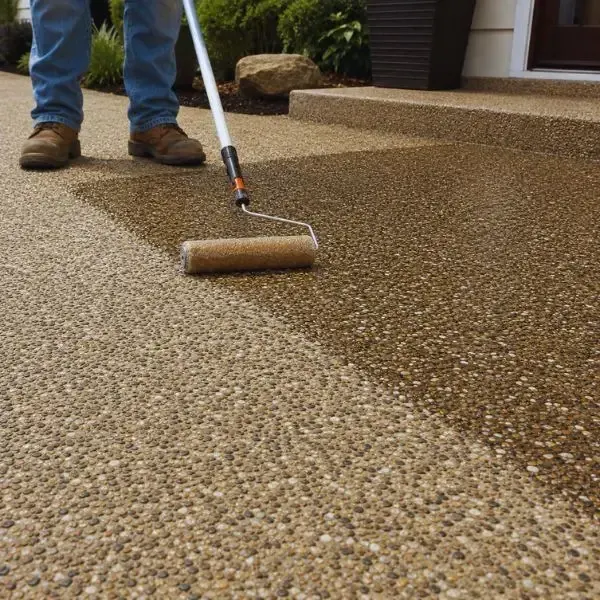
For stone-size choices, black oxide options, and examples of where this decorative finish suits driveways, paths, patios, and porches, explore Exposed Aggregate Concrete.
Coloured concrete requires careful sealing decisions because the treatment can affect both surface protection and the finished colour, making sealer compatibility especially important.
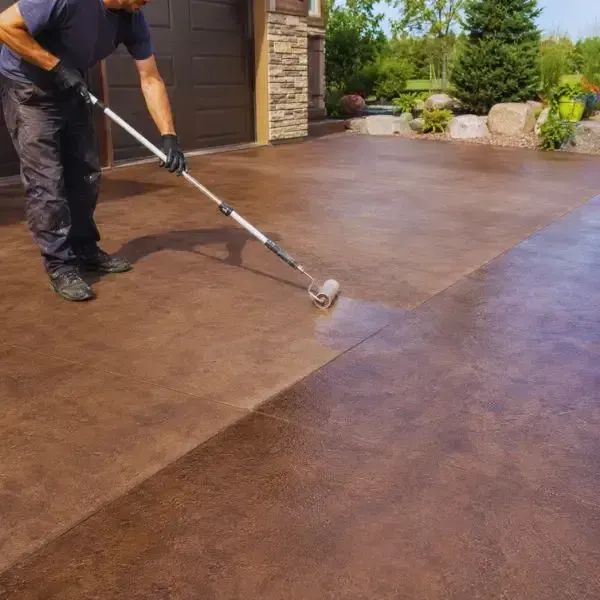
If you want to compare decorative colour choices and see how coloured finishes can suit different residential outdoor areas, visit Coloured Concrete.
Stamped concrete combines decorative colour with a textured pattern, so sealing is commonly considered to protect the appearance, reduce staining, and make the surface easier to maintain.
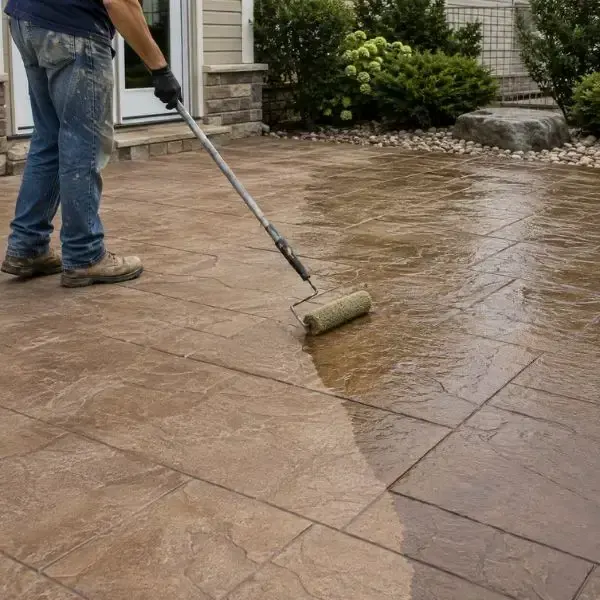
Concrete grinding and sealing can turn a suitable existing slab into a finished floor without another covering. Grinding prepares and refines concrete; a compatible clear coating provides protection.
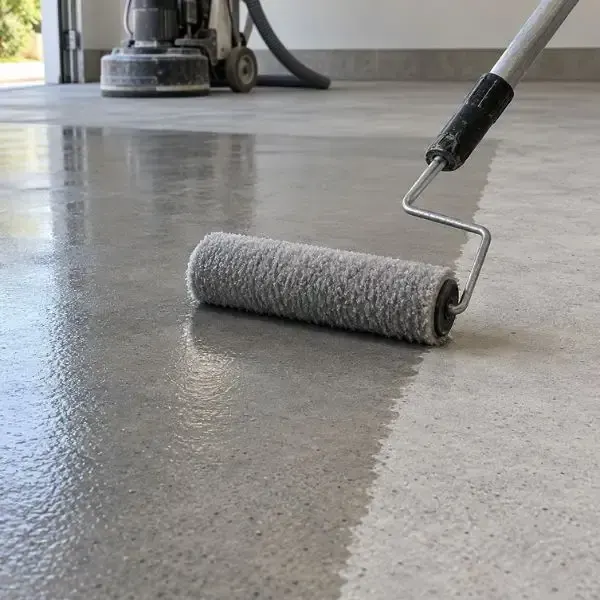
Ground and polished concrete should be treated differently from outdoor sealing. Grind-and-seal and mechanically polished floors can look similar, but their protection systems are not always the same.
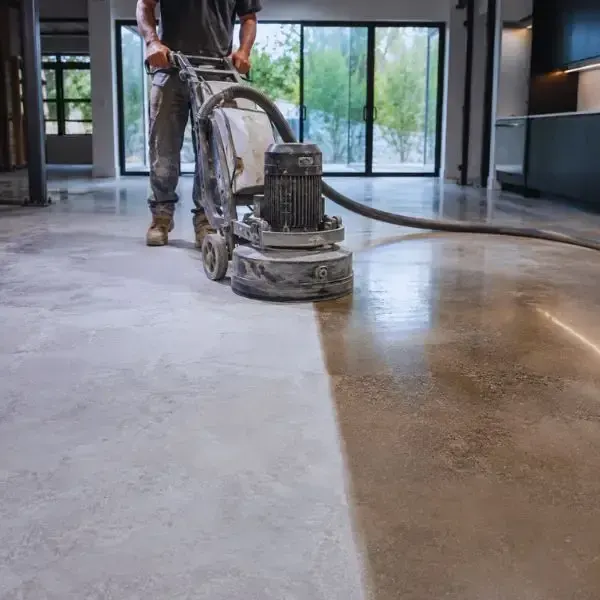
For more information about grinding, polishing, finish levels, and suitable residential or commercial floor applications, see Concrete Grinding & Polishing.
Epoxy flooring is different because the epoxy itself is already a protective resin coating over prepared concrete. A conventional concrete sealer is therefore not automatically needed over an epoxy floor.
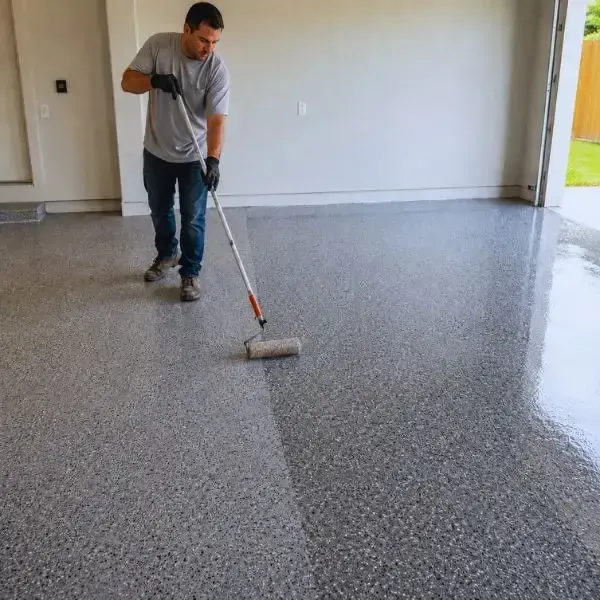
Garage, residential and specialised concrete floor-coating options are covered in greater detail on Epoxy Coating.
Concrete should be sealed only when its condition, curing, moisture, weather and selected protection system are suitable. No single waiting period applies to every sealer, guard, coating or floor treatment.
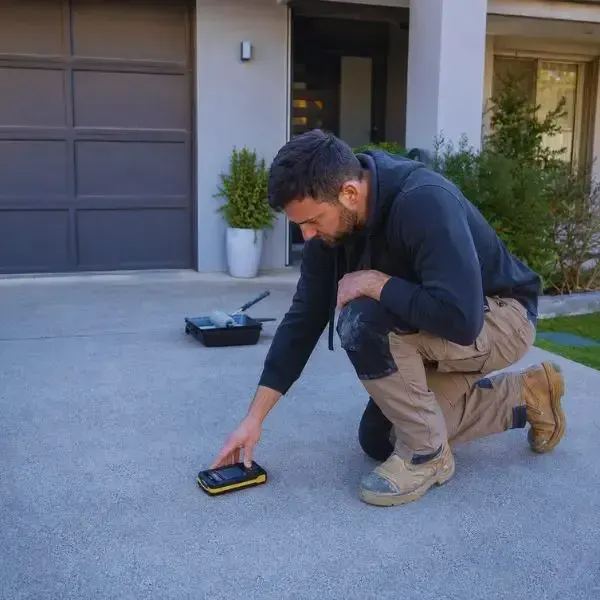
Before choosing a sealing date, it helps to understand how new concrete gains strength, loses moisture and becomes ready for different types of use. You can learn more about these stages through Concrete Curing & Drying Times.
Local rain, temperature, shade, drainage and exposure can also influence when outdoor concrete work is practical. For more local guidance on these conditions, refer to Concrete Work In The Hutt Valley.
There is no universal resealing schedule. How long protection lasts depends on the treatment, preparation, traffic, UV exposure, weather, cleaning, abrasion and surface condition.
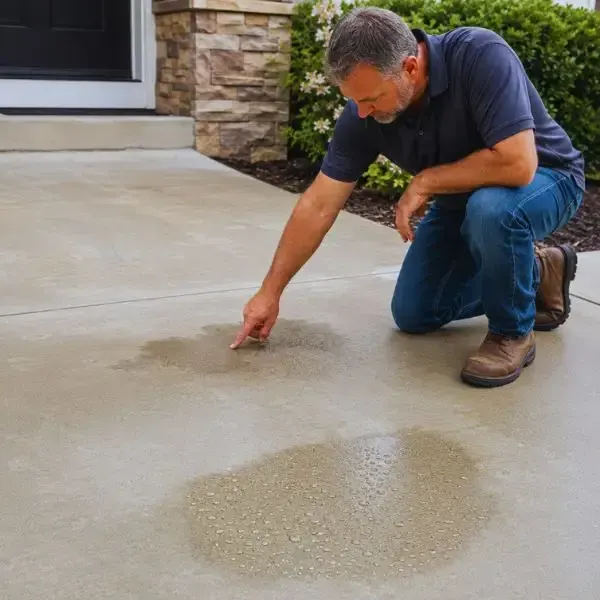
If you are budgeting for maintenance, area size, cleaning, preparation, removal of old coating, access and the selected protection system can all affect the overall cost. These pricing factors are explained in more detail in Concrete Sealing Cost & Prices.
Concrete sealers and protective treatments work differently. The best option depends on water resistance, stain protection, appearance, floor hardening, wear resistance or easier maintenance.
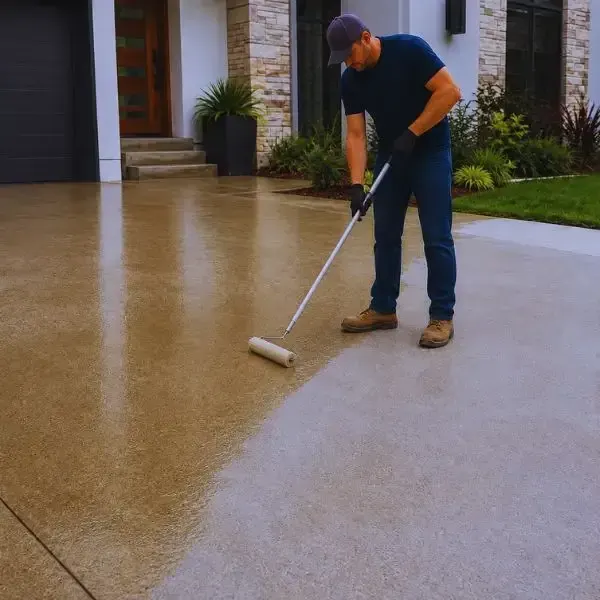
Slip resistance deserves particular attention on paths, patios, porches, entrances, slopes, steps, garage floors and other concrete areas that may become wet after sealing or coating.
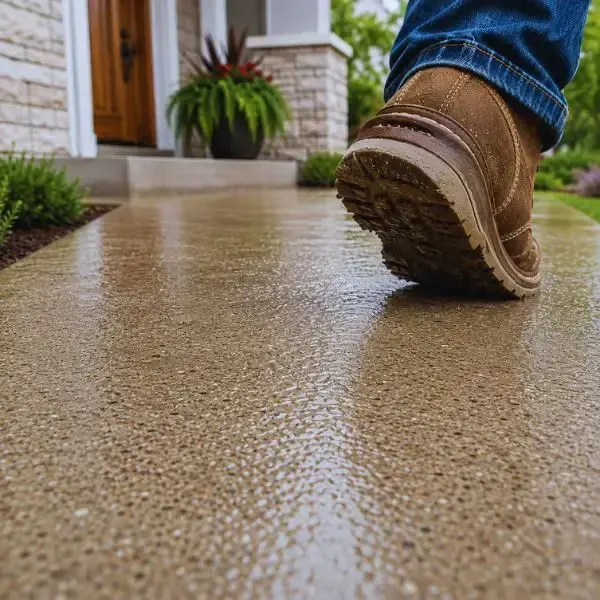
Where shared, commercial, public or accessibility-sensitive areas are involved, broader compliance considerations may also need to be checked. For further guidance around these requirements, review Concrete Sealing Council Regulations.
Ready to protect your concrete surface? The right sealing or protection approach depends on the finish, age, condition, moisture, traffic, weather exposure, appearance and slip requirements.
Explore our Concrete Sealing page to learn more about sealing options for driveways, paths, patios, porches, decorative concrete and suitable concrete floors throughout the Hutt Valley.
To take the next step, call 04 242 0311 or fill out our CONTACT FORM for your FREE QUOTE!
Business Hours & Contact
Mon - Fri
7:00 am - 5:30 pm
Saturday
7:00 am - 3:00 pm
Sunday
Closed
Social Media Accounts
CLM Connect Limited Owned
Lower & Upper Hutt Concrete Services is a local service marketing and coordination channel managed by CLM Connect Limited.
Physical concrete work is completed by independent concrete contractors or service providers.
© 2026 Lower & Upper Hutt Concrete Services | All Rights Reserved