L/C Concrete Services In Lower Hutt, Wellington.

Concrete Work In The Hutt Valley: Weather, Ground Conditions & Local Knowledge

Understanding Hutt Valley Concrete Site Conditions Properly

Lower & Upper Hutt Concrete Services shares practical information about how Hutt Valley weather, ground conditions, soils, terrain, frost, rainfall, and local knowledge can affect concrete work before a project is planned or quoted.

Lower & Upper Hutt Concrete Services Logo - Hutt Valley Concrete Site Conditions Article.

Weather And Rainfall In The Hutt Valley

Concrete work is affected by weather before, during, and after the pour. Rain, wind, temperature, ground moisture, and seasonal timing can all influence how a project is planned.
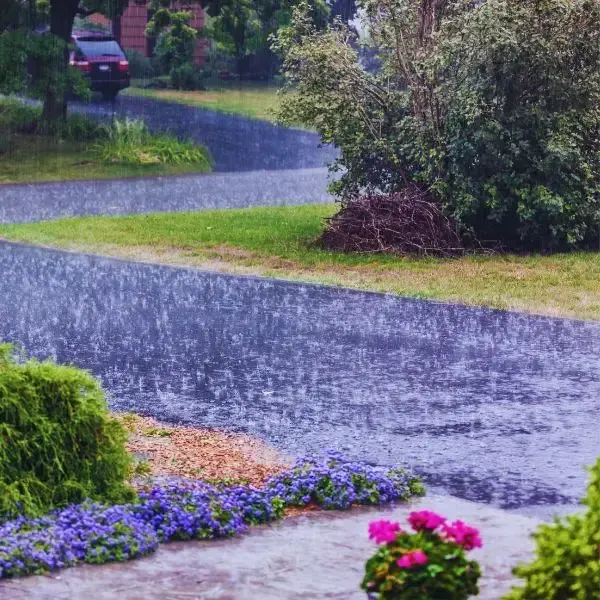
Heavy rain is falling over a residential driveway, path, and garden.
  • Lower Hutt has a wet oceanic climate, with relatively warm summers, mild winters, and occasional storms.


  • Lower Hutt’s climate data lists average annual precipitation at about 1,338mm, which is useful context for outdoor concrete planning.


  • Upper Hutt receives about 1,400mm of rain per year, giving the wider Hutt Valley a heavy rain and ground-moisture influence.


  • Rain can affect excavation, base preparation, boxing, pouring, surface finishing, and the time needed before the concrete area can be used.


  • Wet ground can slow preparation, especially where the site has low spots, soft areas, shaded sections, or prior ponding.


  • Very hot, windy, wet, or cold conditions can all affect concrete timing, which is why contractors often plan pours around the weather window.


  • Weather checks are especially important for driveways, paths, patios, porches, shed slabs, garage slabs, steps, and other outdoor concrete areas.

Ground Conditions Across The Hutt Valley

The Hutt Valley is not one single ground type. Concrete work can be affected by the valley floor, river flat, low-lying areas, hillside, or rural terrain in Upper Hutt.
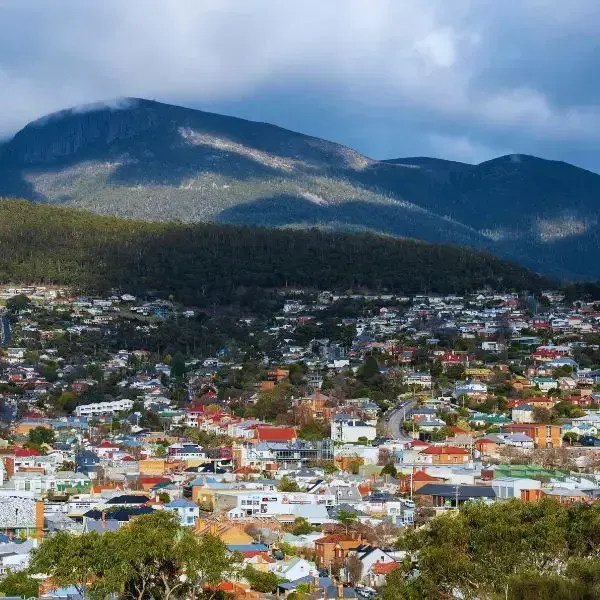
Hutt Valley landscape showing hillside suburbs and varied local terrain.
  • Lower Hutt centres on the lower southern valley of Te Awa Kairangi / Hutt River, where the valley widens into a delta near the river mouth.


  • Older Lower Hutt settlement areas were close to the Hutt River mouth, where the wider valley history includes marshland and river-influenced ground.


  • Upper Hutt’s main urban areas sit along the Te Awa Kairangi / Hutt River valley floor.


  • Upper Hutt is described as being in the bed of an ancient river floodplain, which is an important local context for ground preparation and moisture.


  • River-flat sites can be very different from hill suburbs, coastal areas, or rural edge locations.


  • Ground preparation may need to allow for soft spots, fill, existing surfaces, old concrete, sloping ground, or uneven levels.


  • A concrete quote should be based on the actual site, not just the square metre area, because ground conditions can affect the required preparation.


For a closer look at subgrade checks, excavation, GAP20, GAP40, basecourse, compaction, boxing, and reinforcement, read Concrete Preparation & Basecourse.

River Flats, Floodplains, And Low-Lying Areas

Te Awa Kairangi / Hutt River is one of the biggest local features shaping the valley. River-flat and floodplain areas can create site conditions different from those of elevated or hillside properties.
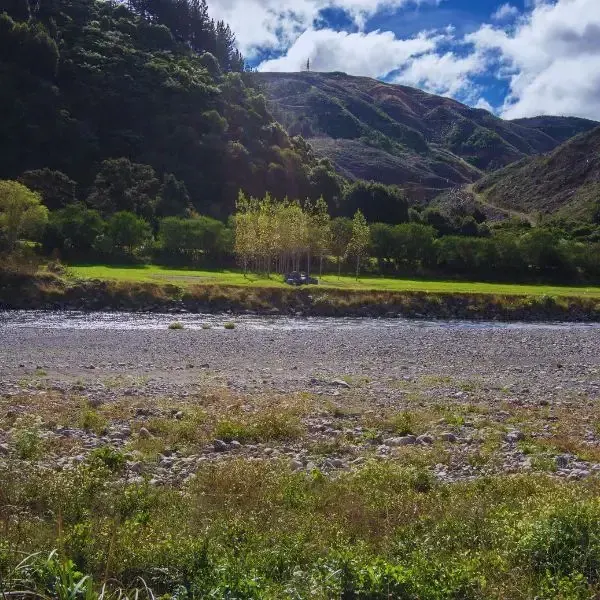
Flat riverbank land and surrounding hills show local floodplain conditions.
  • Lower Hutt lies in the lower reaches of the Hutt River floodplain.


  • Stopbanks were built to contain the Hutt River, but heavy rainfall can still create a flood risk in parts of the valley.


  • The Hutt River burst its banks in 1985, and smaller streams and stormwater drains have also caused problems when rainfall exceeds average levels.


  • Upper Hutt’s flat land widens into a floodplain about 2,500m wide between the Remutaka and Akatarawa Ranges before narrowing near Taitā Gorge.


  • Low-lying sections can have different concrete planning needs from raised, sloped, or freely draining sites.


  • Floodplain and river-adjacent properties may need extra care around finished levels, ground moisture, low points, and long-term surface performance.


  • Property owners should treat past ponding, soft ground, flood history, or uneven settlement as clues about site conditions before pricing concrete work.


To explore stormwater, drainage, flood hazards, underground services, and council-related planning checks, view Concrete Council Regulations.

Frost, Cold Starts, And Seasonal Timing

Upper Hutt can have colder winter conditions than many people expect. Frost and low temperatures can affect when concrete work is best prepared, poured, finished, and protected.

Frost on grass shows cold ground conditions before outdoor concrete work.
  • Upper Hutt has a sheltered valley climate, which can make it warmer than inner Wellington in summer and much colder in winter.


  • Upper Hutt winter temperatures can drop as low as -5°C, with regular and often heavy frost.


  • July is listed as Upper Hutt’s coldest month, with an average temperature of 8.5°C.


  • Frost can affect early-morning site preparation, ground conditions, and the timing of outdoor concrete work.


  • Concrete work may need to be timed more carefully in shaded, inland, or frost-prone parts of Upper Hutt.


  • Colder conditions can slow drying and curing, so contractors may adjust timing based on the forecast and the actual site.


  • Winter concrete planning is especially relevant for shaded driveways, narrow side paths, south-facing areas, and sites close to hills or trees.


For practical guidance on when new concrete can be walked on, driven on, sealed, loaded, or built on after pouring, read Concrete Curing & Drying Times.

Hillside Sections, Slopes, And Elevated Sites

Not every concrete area in the Hutt Valley is flat. Hillside suburbs, elevated sections, sloped driveways, and retaining edges can all affect preparation and finished concrete levels.

Sloped concrete driveway showing hillside site conditions for concrete work.
  • Lower Hutt has hills lining both sides of the valley, reaching about 350m within the city limits.


  • Upper Hutt extends toward the Remutaka Pass, the Akatarawa Valley, and the rough hill country around the Akatarawa ranges.


  • Sloping sites can affect excavation, base preparation, boxing, concrete placement, and surface falls.


  • Hill suburbs may have tighter working areas, steeper driveways, retaining edges, or more complex level changes.


  • Elevated or exposed sites may experience different wind, shade, moisture, and temperature conditions from flat valley-floor properties.


  • Concrete driveways, paths, patios, steps, and retaining-wall-related work can all be affected by slope and terrain.


  • The steeper or tighter the site, the more important it is to confirm preparation details before comparing quotes.

Coastal, Harbour, And Exposed Areas

Parts of Lower Hutt sit close to Wellington Harbour, the eastern bays, and exposed coastal edges. These areas can feel different from inland Upper Hutt or sheltered valley-floor suburbs.

Harbour area with hillside homes showing exposed coastal site conditions.
  • Lower Hutt includes settlements along the eastern coast of Wellington Harbour, including areas around Eastbourne and the harbour suburbs.


  • The central Lower Hutt urban area forms close to the shoreline as the Hutt River nears its mouth.


  • Coastal and harbour areas can be more exposed to wind, salt air, weather changes, and moisture.


  • Concrete work near coastal or exposed areas may require careful consideration of surface finish, curing conditions, sealing, and long-term wear.


  • Petone, Seaview, Gracefield, Eastbourne, and the eastern bays may have different site considerations from those in inland or elevated suburbs.


  • Wind and sun exposure can affect how quickly a concrete surface dries during finishing.


  • Local conditions should be checked on site because two properties in the same broad suburb can still behave differently.

Local Knowledge From Suburb To Suburb

The Hutt Valley includes coastal areas, river flats, valley-floor suburbs, hill suburbs, rural edges, and colder inland locations. That is why local knowledge matters when planning concrete work.

Residential suburbs and roads show varied local site conditions.
  • Lower Hutt conditions can vary between places such as Petone, Waiwhetū, Seaview, Gracefield, Eastbourne, Wainuiomata, Stokes Valley, Taitā, Maungaraki, Normandale, Belmont, Kelson, and Harbour View.


  • Upper Hutt conditions can vary between places such as Silverstream, Heretaunga, Trentham, Wallaceville, Pinehaven, Tōtara Park, Birchville, Brown Owl, Te Mārua, Kaitoke, Mangaroa, Maymorn, Whitemans Valley, and Akatarawa.


  • Some areas sit closer to the river, some are more exposed, some are flatter, and others are more sloped or sheltered.


  • A flat driveway in Petone is not the same as a sloped driveway in Maungaraki, a frosty site in Upper Hutt, or a rural edge property near Akatarawa.


  • Local terrain can affect how much preparation is needed before concrete is poured.


  • Local weather can affect when a pour should be booked and how the surface should be protected after finishing.


  • Local knowledge helps homeowners ask better questions before comparing quotes.

Why Every Concrete Site Should Be Checked

Concrete site conditions are practical, not just technical. The right preparation depends on what is already on the property, the condition of the ground, and how the area will be used.

A site inspector inspects a concrete surface before providing a quote.
  • The same square metre area may require different preparation depending on the ground type, slope, existing surfaces, moisture, and access.


  • Existing concrete, asphalt, pavers, soil, grass, fill, tree roots, or soft ground can all change the preparation work.


  • Driveways and vehicle areas usually need more preparation than basic foot-traffic areas.


  • Paths, patios, porches, steps, shed slabs, and garage slabs can each have different site-condition needs.


  • The choice of finish can also be affected by weather and timing, especially for broom, exposed aggregate, coloured, or decorative concrete.


  • Photos, rough measurements, site-use details, and notes about past ponding or soft ground can help contractors understand the job earlier.


  • The final site details should still be confirmed during a site visit before the quote is accepted.


To see how ground conditions, slope, moisture, access, and preparation can influence quote ranges, view Concrete Cost & Prices Per M2.

Hutt Valley Site Condition Sources

The Hutt Valley’s weather, river setting, floodplain areas, hills, suburbs, and local climate can all help explain why concrete site conditions vary between properties.

Property plans and site information are being reviewed before concrete work.

Local reference sources:


Note: These links provide only general local background. Property-specific concrete planning should still be based on the actual site, current council information where relevant, and contractor assessment before work starts.


For project-specific information, view our pages on Concrete Driveways, Concrete Paths, Concrete Patios & Porches, Concrete Steps, Shed & Garage Concrete Slabs, and Retaining Walls.

Next Steps For Hutt Valley Concrete Work

Ready to plan your concrete project with Hutt Valley site conditions in mind? Weather, ground conditions, soils, frost, rainfall, slope, local terrain, and property-specific details can all affect how concrete work is prepared, priced, and completed.


To take the next step, call 04 242 0311 or fill out our CONTACT FORM for your FREE QUOTES!

Business Hours & Contact

Mon - Fri

7:00 am - 5:30 pm

Saturday

7:00 am - 3:00 pm

Sunday

Closed

Social Media Accounts

Lower & Upper Hutt Concrete Services Logo - Footer Section.

CLM Connect Limited Owned

Lower & Upper Hutt Concrete Services is a local service marketing and coordination channel managed by CLM Connect Limited.


Physical concrete work is completed by independent concrete contractors or service providers.

© 2026 Lower & Upper Hutt Concrete Services | All Rights Reserved